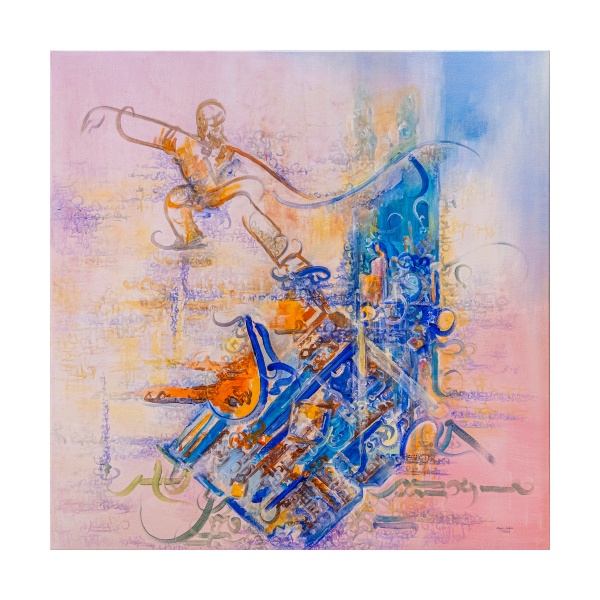


For nearly two decades, "Silk Road: Artists' Rendezvous" has served as a vibrant bridge between China and the Arab world. Organized by the China Arts and Entertainment Group (CAEG) and the Ministry of Culture and Tourism, this flagship cultural exchange initiative operates within the framework of the China-Arab States Cooperation Forum.
Since its launch in 2009, the program has brought over 100 artists from 22 Arab countries to China for immersive creative residencies. To date, these visits have included 13 editions featuring painters, 4 editions dedicated to sculptors and an edition for ceramic artists. Together, participating artists have produced more than 500 works — paintings, sculptures, and ceramics — that now form a unique artistic dialogue between two great civilizations.
Through this platform, generation after generation of Arab artists have traveled around China, experiencing its landscapes, engaging with its cultures, and connecting with its people. They have exchanged ideas with Chinese peers, explored shared artistic traditions, and contributed meaningfully to the "people-to-people connectivity" that underpins China-Arab relations.
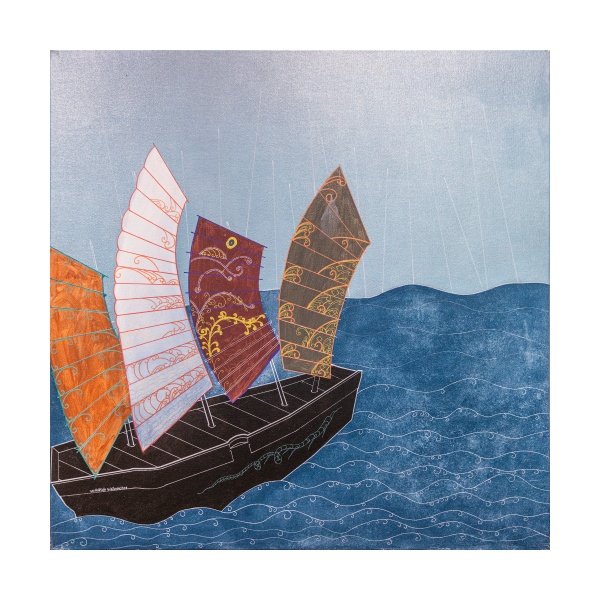
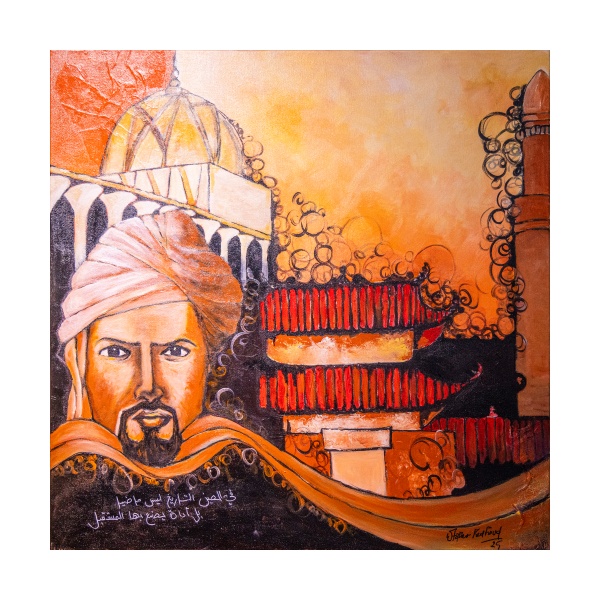
From June 16 to July 3, 2025, the program's 13th edition, China 2025 "Silk Road: Artists' Rendezvous" Renowned Arab Artists' Creative Tour, unfolded in the coastal city of Quanzhou, Fujian province, a place steeped in maritime history. This year's residency invited eight distinguished artists from Egypt, Saudi Arabia, Jordan, Morocco, Algeria and Tunisia. For two weeks, these artists immersed themselves in Quanzhou, exploring its streets, absorbing its stories, and translating their experiences into new creative works.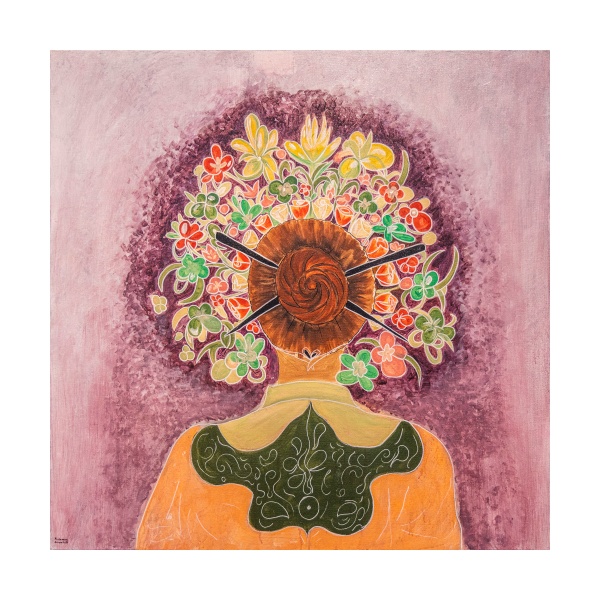
As the largest port in the world during the Song and Yuan dynasties, Quanzhou stands as the ancient starting point of the Maritime Silk Road. It was here that Chinese and Arab merchants once exchanged not only goods but ideas, beliefs, and artistic traditions. Today, the city remains a living testament to that history. For this year's artists, Quanzhou offered a unique lens through which to explore the historical ties between China and the Arab world, and to reflect on how those ties continue to evolve in the context of the Belt and Road Initiative.
During their residencies, the artists engaged with maritime culture, religious harmony and intangible cultural heritage, with 24 new works of art created. These works were showcased in a special exhibition at the conclusion of the program, accompanied by interactive sessions between Chinese and Arab artists, sparking conversations that transcended language and culture.